BIRDING IN BHUTAN
Superb birding in the Himalayas
Overview
Bhutan is widely regarded as the premier destination for birding in South Asia. Nestled between the towering Himalayas to the north and the plains of the Indian subcontinent to the south, this remarkable country is a true haven for wildlife. Vast tracts of protected forest, a strong commitment to conservation, and excellent access to a wide range of habitats make birding in Bhutan one of the world’s great birdwatching experiences. From subtropical lowland forests to alpine meadows above 4,500 metres, the country offers an extraordinary diversity of ecosystems within a relatively small area. More than 680 bird species have been recorded in Bhutan.
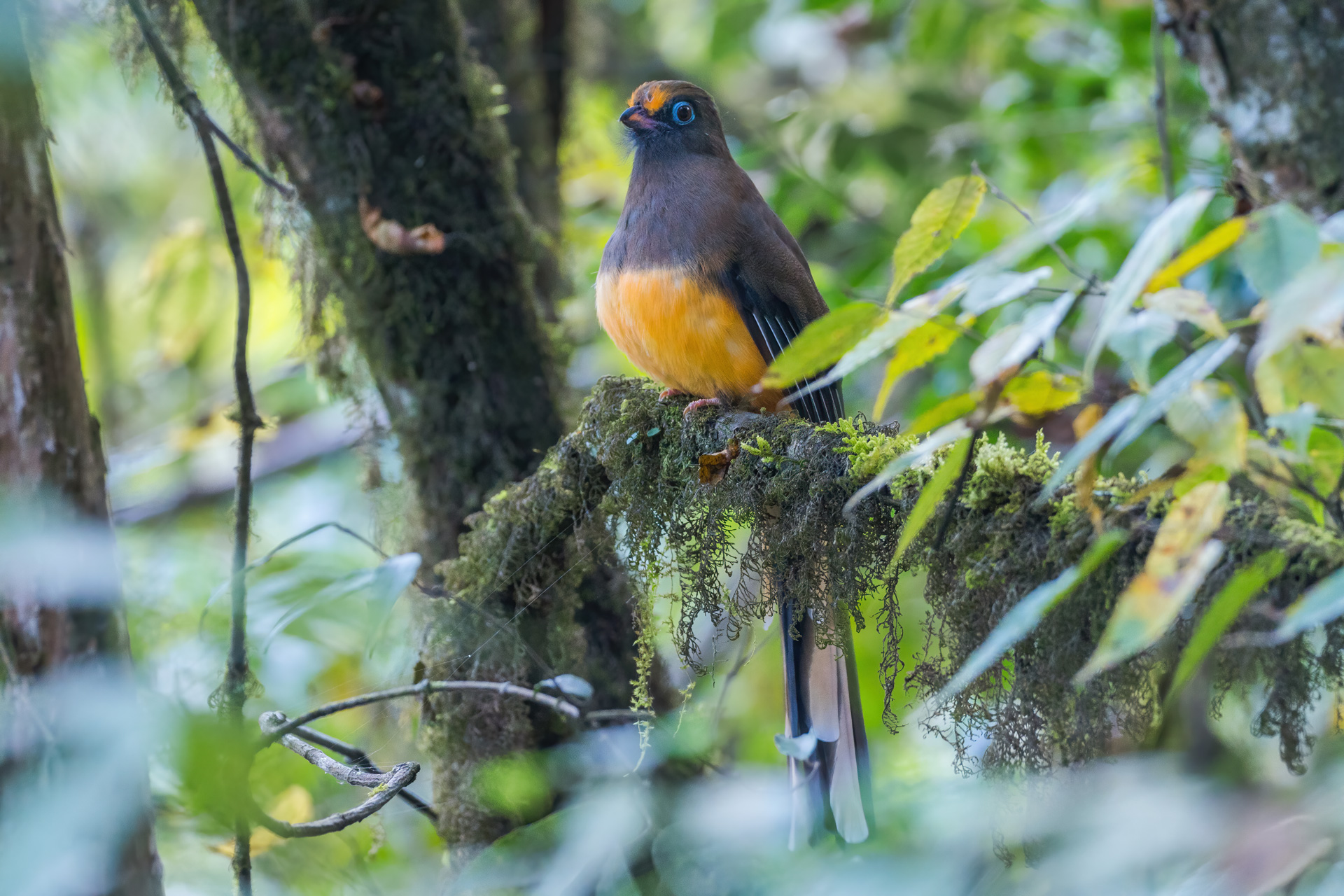
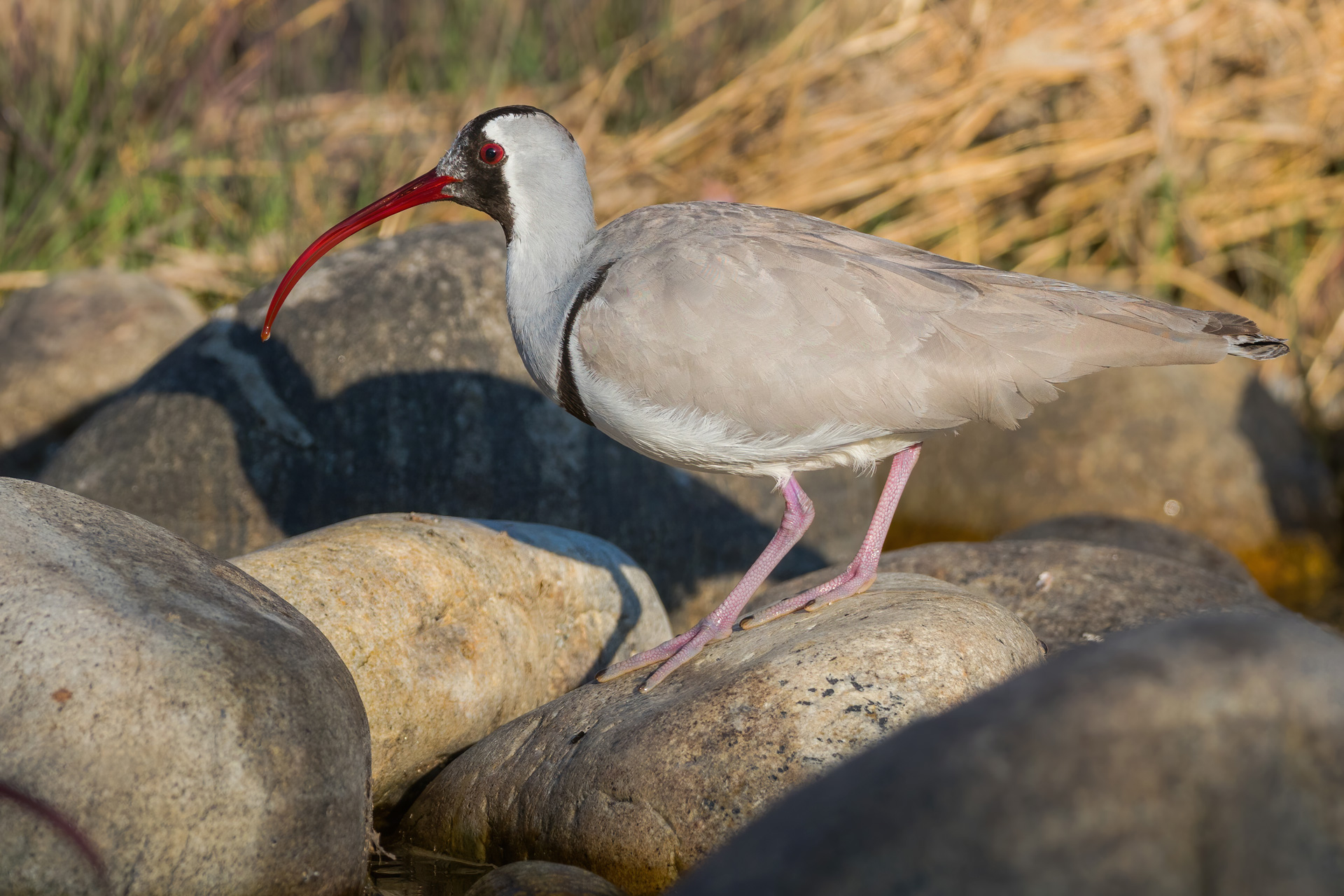
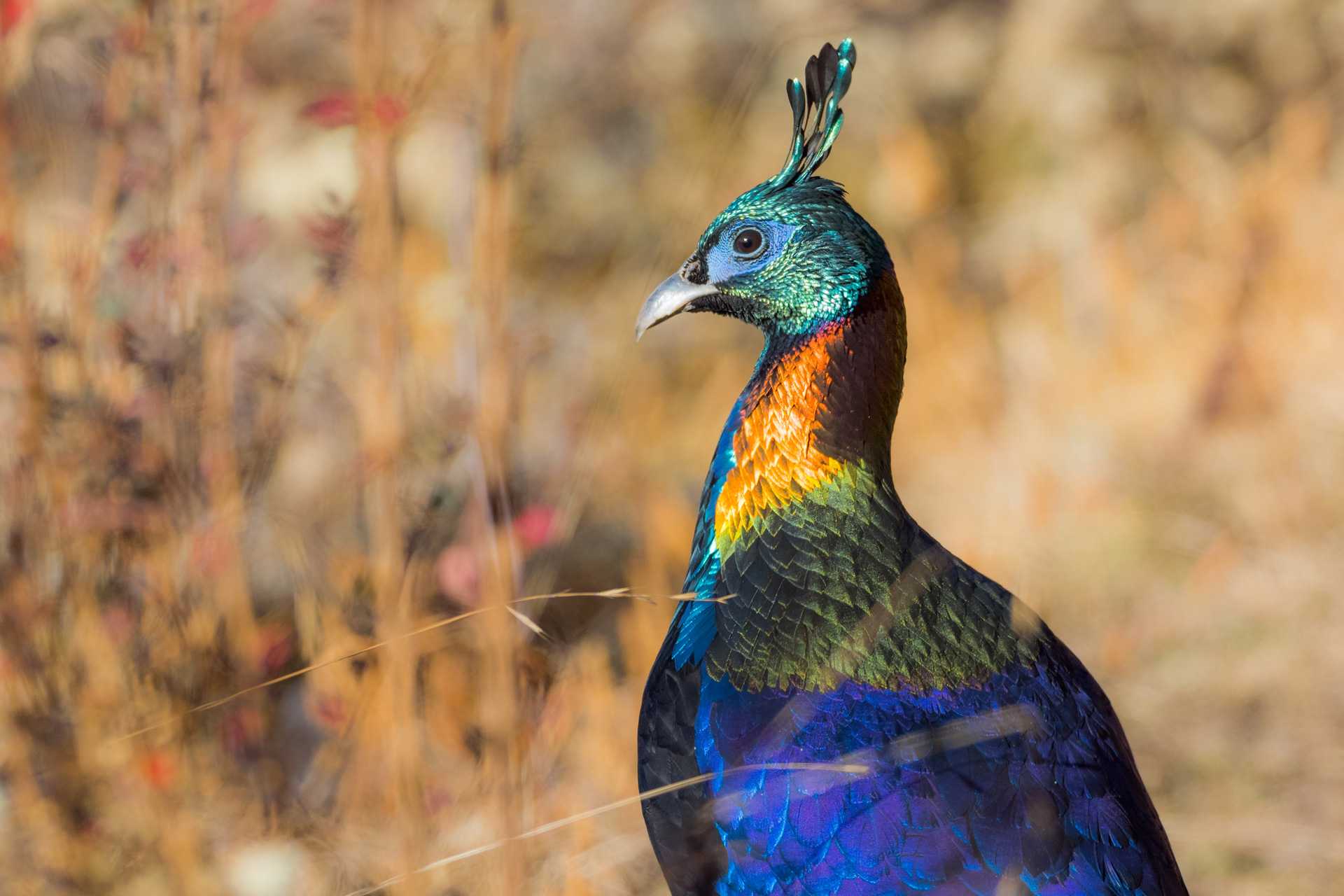
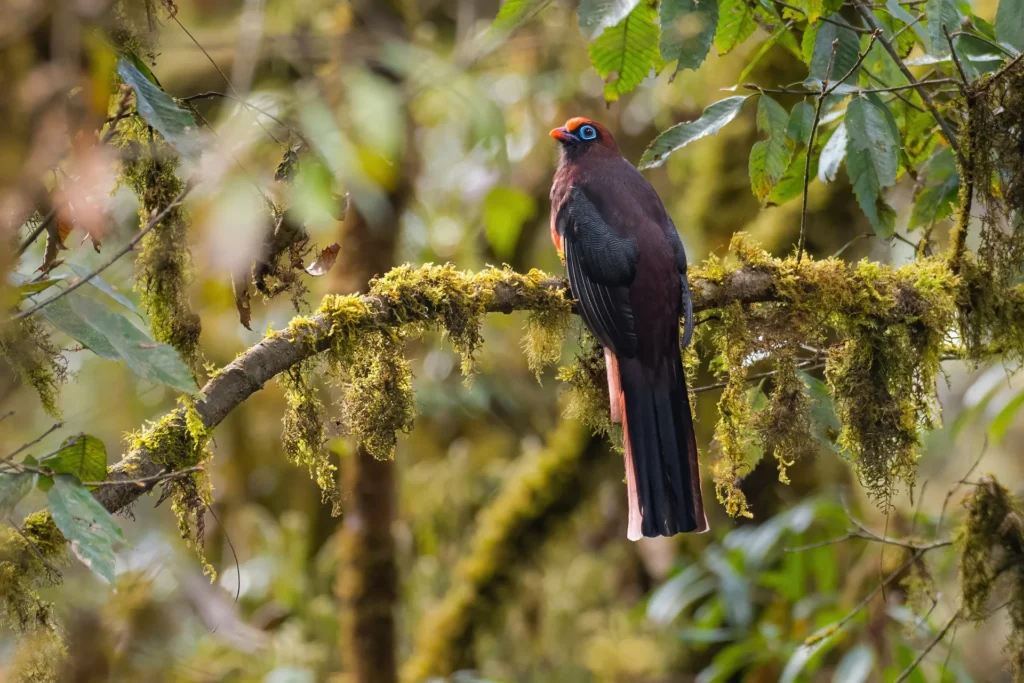
Our comprehensive birding tour begins in the subtropical forests of southeastern Bhutan before gradually crossing the country westwards through some of its most productive birding regions. Over 16 days, we expect to record between 300 and 350 species, including such highlights as Ibisbill, Himalayan Monal, Ward’s Trogon and Blood Pheasant. We will also have excellent opportunities to search for two of Bhutan’s most sought-after birds: the rare Rufous-necked Hornbill and the spectacular Satyr Tragopan.
Beyond the exceptional birding, this journey offers a fascinating introduction to Bhutan’s unique culture and traditions. Along the way, we will visit some of the country’s most iconic monasteries, fortresses and museums, adding a rich cultural dimension to an unforgettable birding adventure.
Itinerary
Day 1. Arrival in Bhutan via Samdrup Jongkhar
After arriving in Guwahati, you will be met by our local representative and transferred to the Bhutanese border at Samdrup Jongkhar. The drive offers an excellent introduction to the birdlife of the eastern Himalayan foothills, with opportunities to see Greater and Lesser Adjutants, White-throated Kingfisher, Little Cormorant and other wetland species in the agricultural landscapes of Assam.
After completing border formalities and checking into our hotel, we will spend the afternoon exploring the lowland habitats around Samdrup Jongkhar. These subtropical areas support an interesting mix of species including Yellow-footed Green Pigeon, Black-hooded Oriole, Oriental Magpie Robin, Common Iora, Green Bee-eater and several herons and egrets. With some luck, we may encounter one of the region’s most sought-after birds, Blyth’s Kingfisher, while rivers and forest edges can also produce Black-backed Forktail and Dark-rumped Swift.
Night in Samdrup Jongkhar.
Day 2. Tropical Birding around Samdrup Jongkhar
Today we focus on the rich tropical forests between Samdrup Jongkhar and Deothang, one of Bhutan’s most rewarding low-elevation birding areas. These forests hold an impressive diversity of species, from colourful barbets and hornbills to elusive forest specialists.
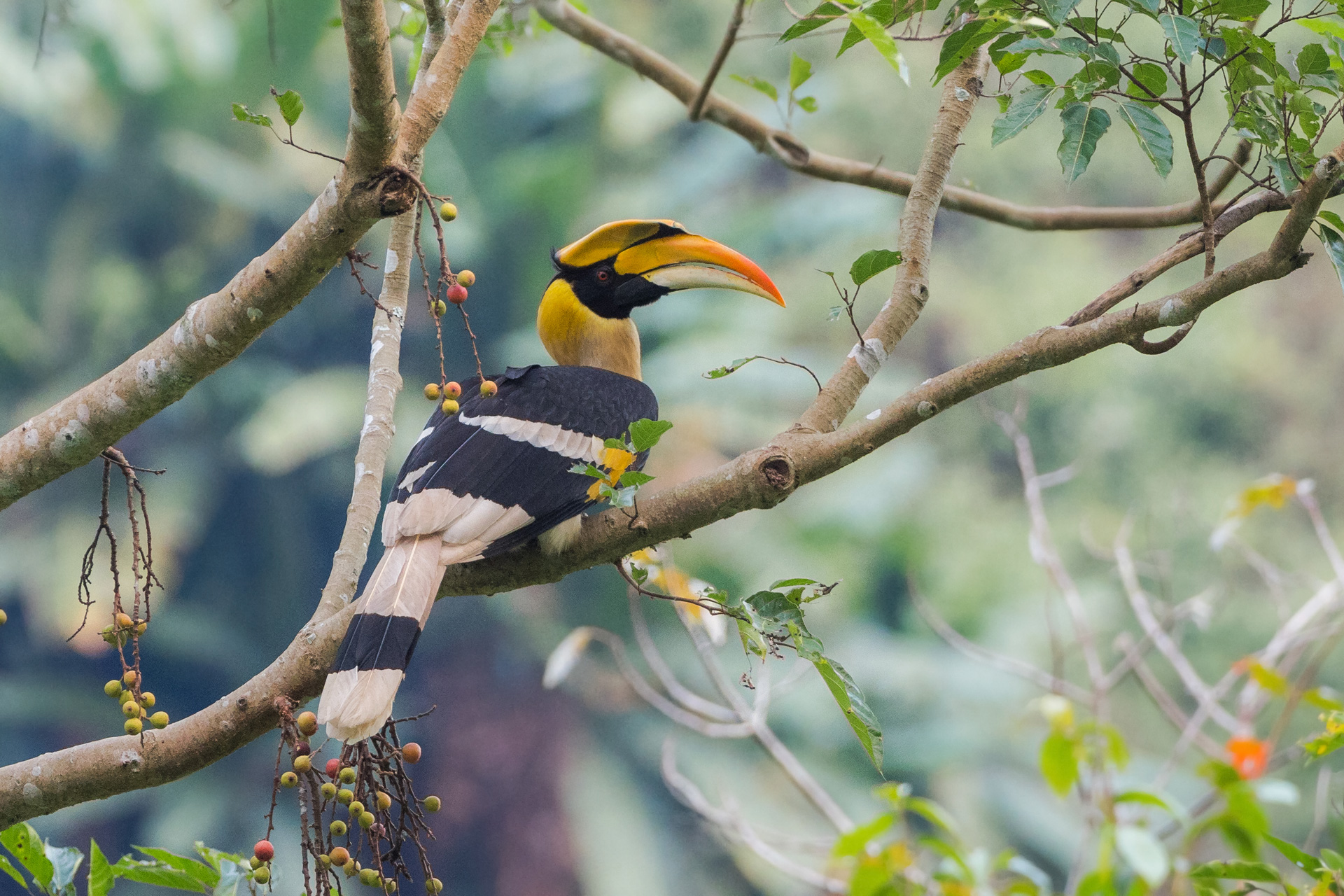
Highlights may include Great, Wreathed and Oriental Pied Hornbills, Asian Fairy Bluebird, Golden-fronted Leafbird, Long-tailed Broadbill, Greater Racket-tailed Drongo, Green-billed Malkoha and Indian Paradise Flycatcher. We will also search for specialties such as Ruby-cheeked Sunbird, Little Spiderhunter and Puff-throated Babbler. Raptors, cuckoos and owls are all possible, while the forests occasionally produce rarities including Hooded Pitta and Collared Scops Owl.
The day will be spent exploring a variety of forest habitats, allowing ample time to enjoy both the birds and the spectacular scenery of Bhutan’s subtropical foothills.
Night in Samdrup Jongkhar.
Day 3. Samdrup Jongkhar to Trashigang
An early departure takes us towards the Morong Valley, where extensive forests provide some of the finest birding in eastern Bhutan. We will spend time searching for a range of Himalayan specialties including Beautiful Nuthatch, one of the country’s most sought-after birds, together with Cutia, Rusty-fronted Barwing, White-browed Shrike Babbler and several minlas and woodpeckers.
As we continue towards Trashigang, the route passes through beautiful mountain landscapes of forested ridges, traditional farms and scattered villages. Birding stops along the way may produce Yellow-billed Blue Magpie, Maroon Oriole, Long-tailed Minivet, Large Niltava, Rufous-bellied Niltava and a variety of laughingthrushes, warblers and babblers.
The gradual transition from subtropical to temperate habitats offers excellent opportunities to experience the remarkable diversity of eastern Bhutan while building an impressive species list.
Night in Trashigang.
Day 4. Trashigang to Yongkola via Kore La
After breakfast we begin our journey towards Yongkola, crossing the scenic Kore La Pass. The route traverses a wide range of habitats, from cultivated valleys and broadleaf forests to higher elevation woodlands rich in Himalayan birdlife.
Birding stops may produce Brown Bullfinch, Scarlet Finch, Grey-sided Laughingthrush and Brown-throated Treecreeper. Descending from the pass, forests draped with orchids and ferns provide habitat for Bhutan Laughingthrush, Gold-naped Finch, Rufous-bellied Woodpecker and Kalij Pheasant.
Continuing through Mongar and Lingmethang, we gradually enter the famous birding region around Yongkola. The combination of pristine forests, quiet roads and exceptional habitat diversity has made this area one of the premier birding destinations in the Himalayas and a key highlight of the tour.
Night in Yongkola.
Days 5–6. Yongkola and Sengor
We dedicate two full days to exploring what many birders consider one of the finest birding areas in Asia. The forests around Yongkola support an extraordinary concentration of eastern Himalayan specialties and several of Bhutan’s most desirable birds.
Among our principal targets are Ward’s Trogon, Satyr Tragopan, Black-headed Shrike Babbler, Blue-fronted Robin, Rufous-necked Hornbill, White-breasted Parrotbill and the remarkable Sikkim Wedge-billed Babbler. The area also supports a rich variety of laughingthrushes, yuhinas, fulvettas, minlas and babblers, making every birding stop potentially rewarding.
One morning will be devoted to the higher forests around Sengor, where we search for Satyr Tragopan, Bar-winged Wren Babbler, Fire-tailed Sunbird and other montane specialties. Throughout our stay we will explore different elevations and habitats, maximising our chances of encountering the region’s exceptional avian diversity.
Night in Yongkola.
Day 7. Yongkola to Bumthang via Thrumshing La
This morning we continue birding around upper Yongkola before ascending towards Thrumshing La Pass, one of the highest road passes in Bhutan. The route offers spectacular scenery and access to a range of high-altitude Himalayan habitats.
Birding stops along the ascent may produce Mountain Hawk Eagle, Himalayan Buzzard, White-browed Bush Robin, Himalayan Bluetail, Fulvous Parrotbill and several high-elevation thrushes. Near the pass, conifer forests provide opportunities for some of Bhutan’s most iconic species, including Himalayan Monal, Blood Pheasant and Satyr Tragopan.
After crossing the pass, we descend through magnificent forests of fir, spruce and hemlock before reaching the beautiful Bumthang Valley, one of Bhutan’s cultural and natural treasures.
Night in Bumthang.
Day 8. Bumthang to Trongsa
An early start takes us through pine forests and across the Chumey Valley before a visit to the area around Tharpaling Monastery. Here we will search for Himalayan Monal, Blood Pheasant and other montane species in a setting of exceptional scenic beauty.
Crossing Yotong La Pass, we bird mixed rhododendron forests where specialties may include Fire-tailed Myzornis, Rufous-vented Yuhina, Black-faced Laughingthrush and White-winged Grosbeak. During the afternoon we continue towards Trongsa, making birding stops along the Shemgang Road.
This area offers opportunities for Bhutan Laughingthrush, Himalayan Cutia, Greater Yellownape and Black-eared Shrike Babbler. Before dinner, we visit the historic watchtower museum overlooking Trongsa, providing fascinating insight into Bhutanese history and culture.
Night in Trongsa.
Day 9. Trongsa to Tingtibi
Today we begin one of the most exciting transitions of the tour as we descend from temperate forests into the warm broadleaf habitats of southern Bhutan. The change in elevation brings a completely different bird community and many new target species.
Stops along the famous Shemgang Road may produce Pale Blue Flycatcher, Blue-capped Rock Thrush, Greater Yellownape and Crested Bunting. As we continue through cultivated valleys and flowering forests, species such as Crimson Sunbird, Rufous Woodpecker and Blue-throated Barbet become possible.
Approaching Tingtibi, the forests become increasingly tropical and offer our first serious opportunities for Rufous-necked Hornbill, one of Bhutan’s most charismatic birds. Green pigeons, drongos, bulbuls and laughingthrushes add further diversity during an exciting day of birding.
Night in Tingtibi.
Day 10. Royal Manas National Park
We spend the day exploring the rich subtropical forests around Tingtibi and the northern reaches of Royal Manas National Park. This region is among Bhutan’s least visited birding destinations and supports an extraordinary range of rare and localised species.
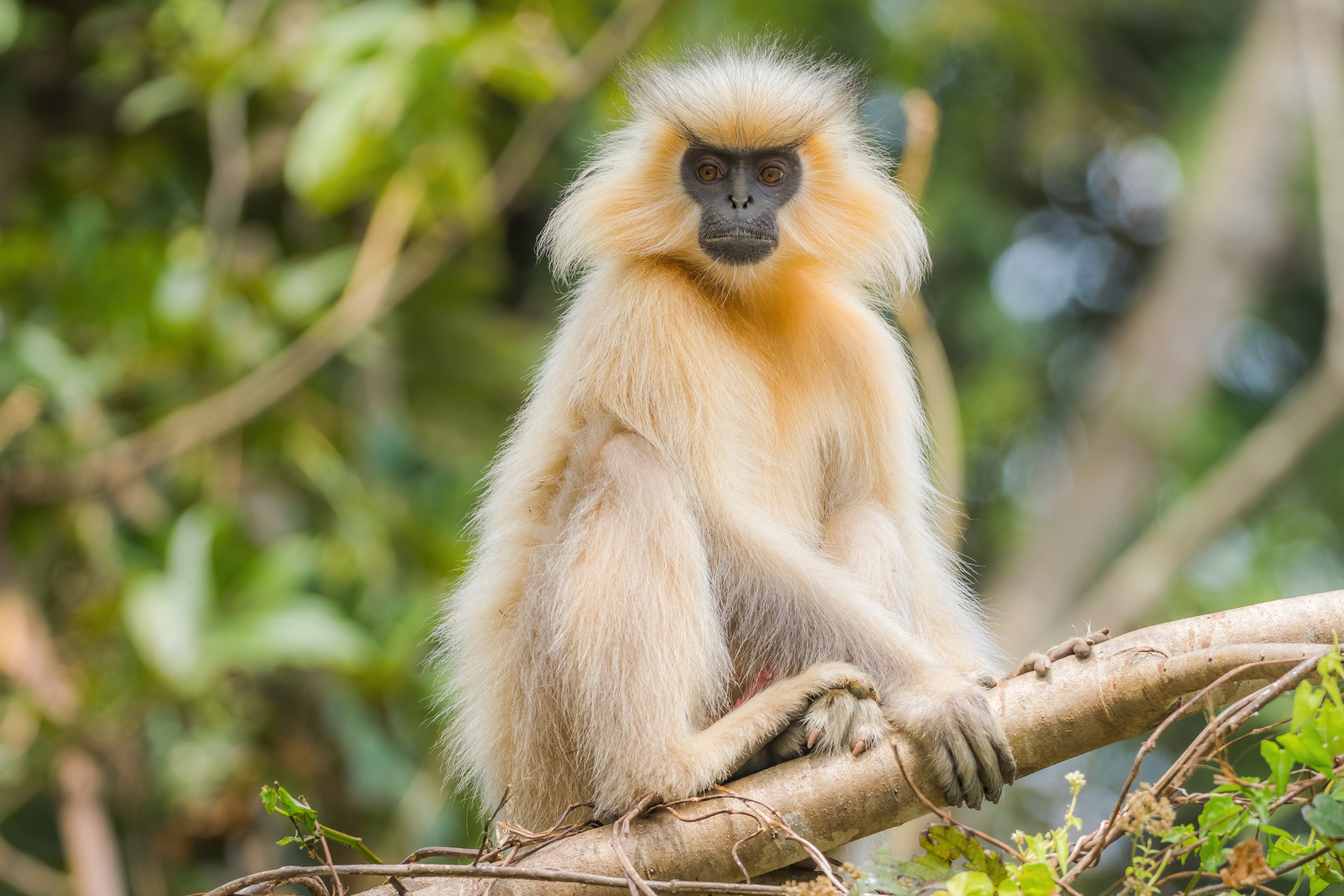
Target birds include Rufous-necked Hornbill, Beautiful Nuthatch, White-hooded Babbler, Long-billed Wren Babbler, Green Cochoa, Grey Peacock-Pheasant and White-browed Piculet. The area is also one of the best locations for observing the spectacular Golden Langur, an endemic primate found only in Bhutan and adjacent parts of India.
The diversity of habitats and relatively low birding pressure make this one of the most exciting days of the tour, with the possibility of encountering species rarely seen elsewhere in the Himalayas.
Night in Tingtibi.
Day 11. Tingtibi to Trongsa
We return towards Trongsa, once again birding the productive Shemgang Road. Our main objective is to maximise opportunities for species that may have eluded us earlier, particularly the highly desirable Beautiful Nuthatch.
The route offers repeated chances for hornbills, babblers, woodpeckers and forest passerines while also providing some of the most impressive mountain scenery in Bhutan. Numerous birding stops will be made at proven locations along the road.
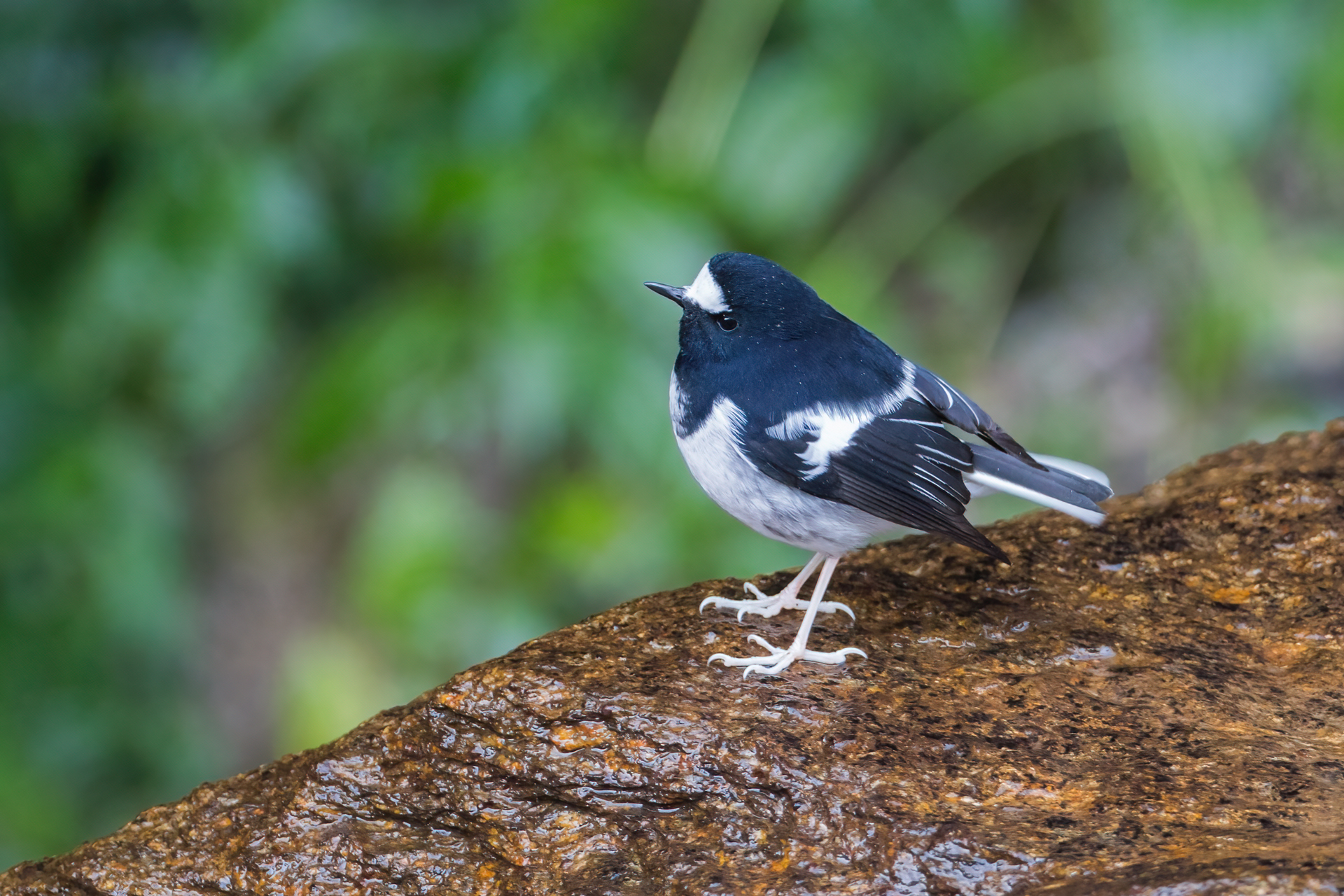
Near Trongsa we visit a series of dramatic cliff faces where colonies of wild bees attract Yellow-rumped Honeyguide, while nearby streams often hold Little Forktail. The combination of excellent birding and spectacular landscapes makes for another memorable day.
Night in Trongsa.
Day 12. Trongsa to Punakha
Today’s journey crosses central Bhutan towards Punakha, traversing a variety of habitats and elevations. Early birding along rivers and forested valleys may produce Brown Dipper, Crested Kingfisher and Fire-tailed Myzornis.
After visiting the picturesque Chendebji Chorten, we continue towards Pele La Pass, one of Bhutan’s most scenic mountain crossings. Forest birding along the route may yield Himalayan Griffon, Cutia, White-browed Shrike Babbler, Grey-headed Woodpecker and Speckled Piculet.
Descending towards Punakha, the climate becomes noticeably warmer and the forests increasingly subtropical. Evening birding around our accommodation may reveal Slender-billed Oriole, Grey Nightjar and Collared Scops Owl.
Night in Punakha.
Day 13. Punakha to Paro
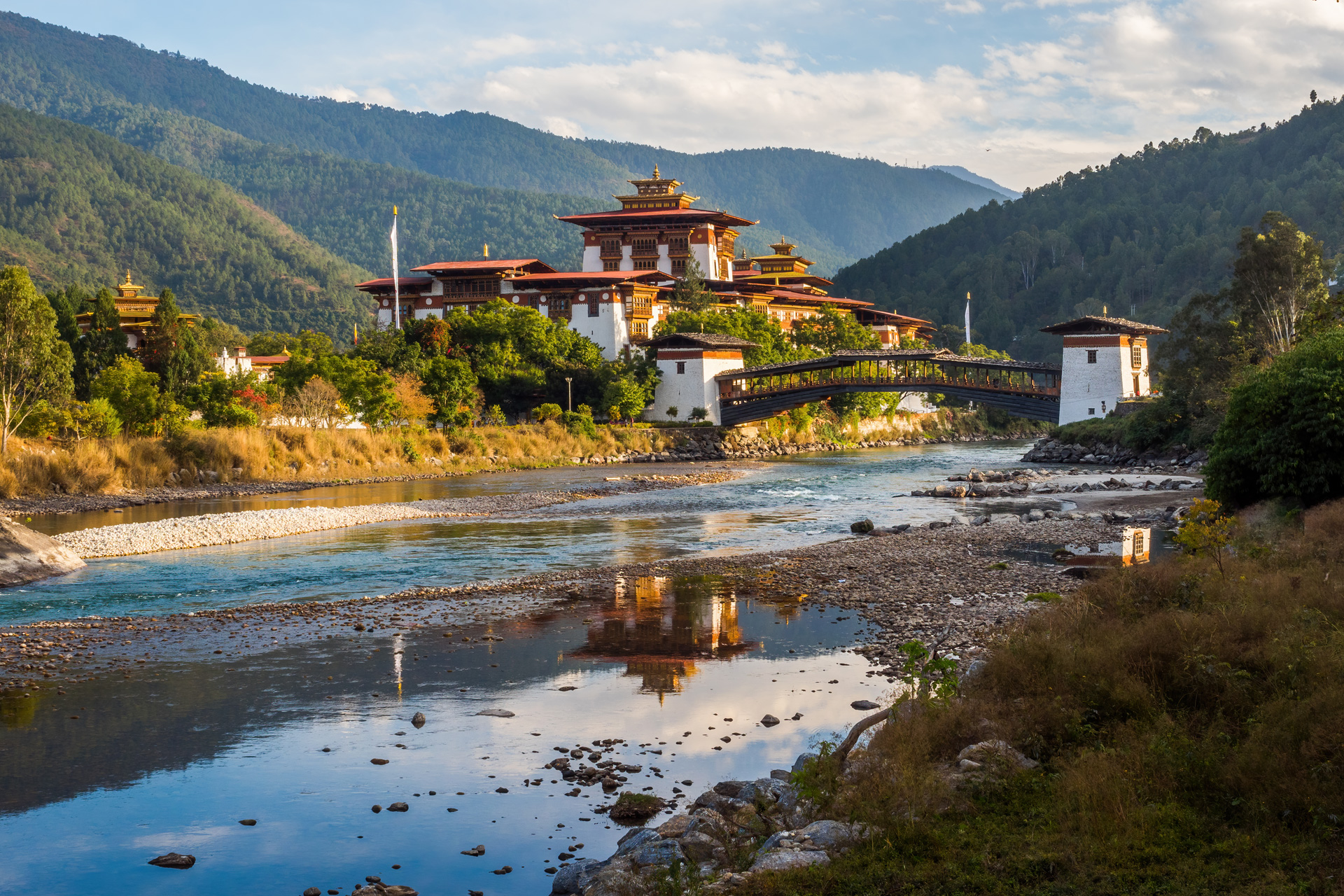
This morning begins with a visit to the magnificent Punakha Dzong, one of Bhutan’s most important cultural landmarks. Afterwards we continue to the Royal Botanical Park at Lampelri, a biologically rich area linking two major national parks.
The forests here support species such as Hill Partridge, Slender-billed Scimitar Babbler, Grey-sided Laughingthrush and Chestnut-crowned Warbler. Mammals are also possible, with Red Panda among the most notable species present.
Later we ascend to Dochu La Pass, famous for its 108 chortens and breathtaking Himalayan views. On clear days, several of Bhutan’s highest peaks can be seen from the pass. Before reaching Paro, we make a stop near Thimphu where we may search for the elusive Black-tailed Crake.
Night in Paro.
Day 14. Chele La Pass
A full day is devoted to birding around Chele La Pass, the highest road pass in western Bhutan. The route passes through extensive forests before reaching alpine habitats above the treeline.
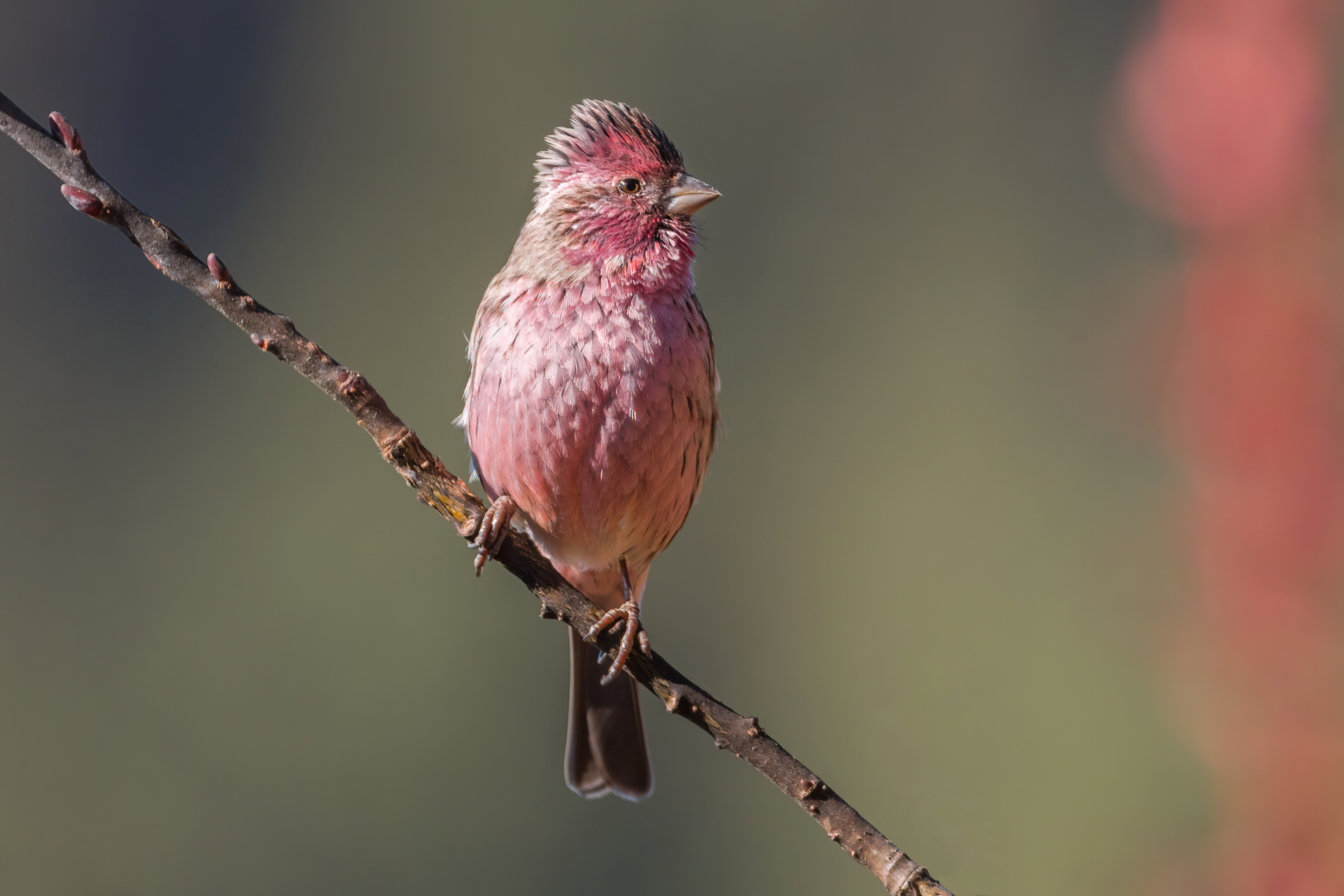
Target species include Himalayan Monal, Blood Pheasant, Himalayan Griffon, Fire-tailed Sunbird, Brown Parrotbill, Alpine Accentor and Himalayan White-browed Rosefinch. The scenery is equally impressive, with magnificent views of Jomolhari and other Himalayan peaks.
Later we descend to the Paro Valley and spend time birding along the Pa Chhu River. Here we search for one of the tour’s most distinctive species, the remarkable Ibisbill, together with White-capped Water Redstart, Plumbeous Water Redstart and Brown Dipper.
Night in Paro.
Day 15. Tiger’s Nest Monastery
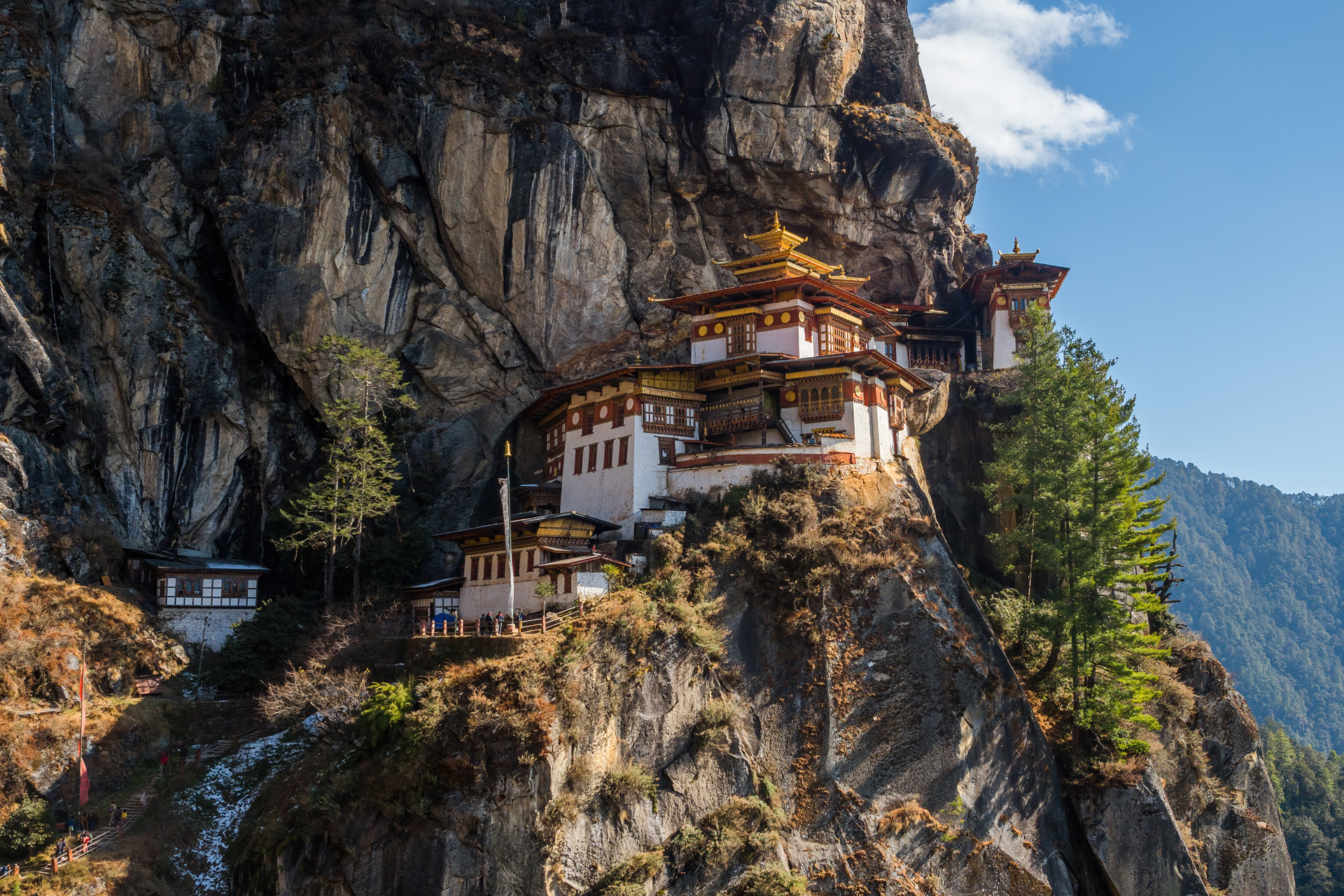
Our final full day combines birding with one of Bhutan’s most iconic cultural experiences. We hike to the spectacular Tiger’s Nest Monastery, dramatically perched on a cliff high above the Paro Valley.
The trail passes through pine forests where we may encounter Yellow-billed Blue Magpie, Spotted Nutcracker, White-tailed Nuthatch and several species of laughingthrush. The combination of birding, scenery and cultural heritage makes this one of the highlights of the entire journey.
Around the monastery itself, Snow Pigeon and Alpine Accentor are possible, while nearby streams often hold Little Forktail and both species of water redstart. The afternoon is free to enjoy the atmosphere of Paro and reflect on an extraordinary journey across Bhutan.
Night in Paro.
Day 16. Departure
Transfer to Paro Airport for your flight to Delhi or Kolkata and onward connections. End of tour.
Species of interest
- Greater Adjutant
- Himalayan Griffon
- Pied Harrier
- Snow Partridge
- Hill Partridge
- Chestnut-breasted Partridge
- Blood Pheasant
- Satyr Tragopan
- Himalayan Monal
- Kalij Pheasant
- Gray Peacock-Pheasant
- Black-tailed Crake
- Ibisbill
- Asian Emerald Dove
- Pin-tailed Green Pigeon
- Violet Cuckoo
- Himalayan Cuckoo
- Green-billed Malkoha
- Tawny Fish-Owl
- Large-tailed Nightjar
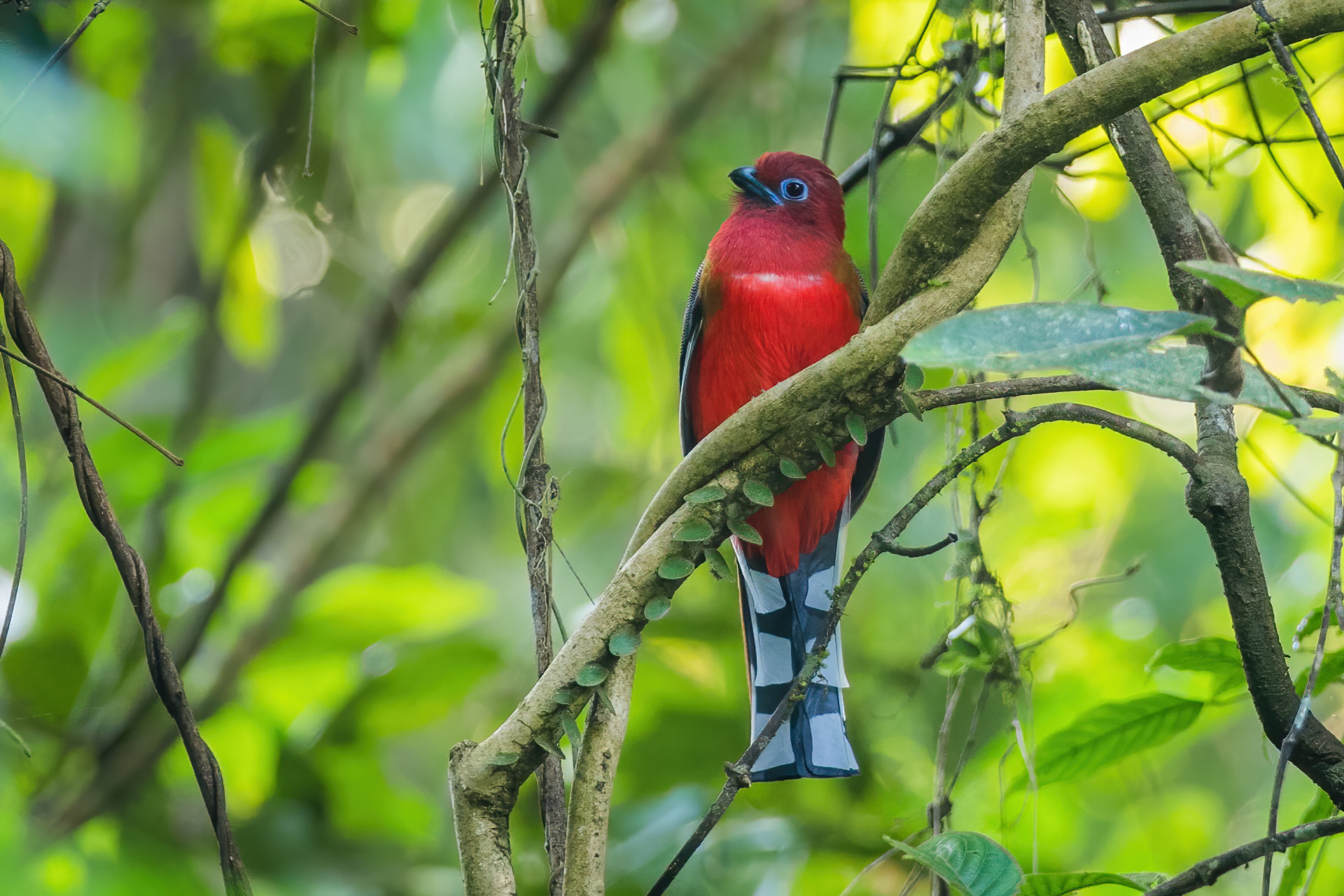
- Red-headed Trogon
- Ward’s Trogon
- Blue-bearded Bee-eater
- Rufous-necked Hornbill
- Great Hornbill
- Wreathed Hornbill
- Blue-eared Barbet
- Yellow-rumped Honeyguide
- White-browed Piculet
- Rufous Woodpecker
- Long-tailed Broadbill
- Western Hooded Pitta
- Rosy Pipit
- Long-tailed Minivet
- Ashy Bulbul
- Golden-fronted Leafbird
- Brown Dipper
- Alpine Accentor
- Black-faced Warbler
- Brown-throated Fulvetta
- Great Parrotbill
- Blue Whistling Thrush
- Gould’s Shortwing
- Large Niltava
- Blue-fronted Redstart
- White-capped Redstart
- Black-backed Forktail
- Little Forktail
- Blyth’s Paradise Flycatcher
- Rufous-necked Laughingthrush
- Spotted Laughingthrush
- Bhutan Laughingthrush (near-endemic)
- Himalayan Cutia
- Rufous-winged Fulvetta
- Black-crowned Scimitar Babbler
- Rufous-throated Wren-Babbler
- Golden Babbler
- Black-eared Shrike Babbler
- Fire-tailed Myzornis
- Whiskered Yuhina
- Beautiful Nuthatch
- Mrs. Gould’s Sunbird
- Fire-tailed Sunbird
- Crimson Sunbird
- Maroon Oriole
- Lesser Racket-tailed Drongo
- Gray Treepie
- Himalayan White-browed Rosefinch
- Yellow-breasted Greenfinch
- Spot-winged Grosbeak
Mammals
- Golden Leaf Monkey (Langur)
- Red Panda
- Leopard
- Leopard Cat
- Bengal Tiger
- White-bellied Musk Deer
What’s included
The package of this tour includes:
- All accommodation from day 1 until day 16 (15 nights).
- All meals, starting with lunch on Day 1 until breakfast on Day 16. This includes 1 drink with every meal and water during the whole duration of the trip.
- Transportation in a comfortable vehicle for 5, 9 and 14pax depending on the final number of participants.
- Programmed entrance fees as in the itinerary.
- A specialised Tour Leader fluent in English and local guides.
- Welcome package with itinerary, travel information and checklist of the birds and mammals of the region.
Items not included in the package:
- International Flights.
- Extra drinks.
- Tips in hotels, service and guides.
- Personal travel insurance.
- Personal items.
For further details on bookings and cancellations, you can check out our general Terms and Conditions.
If at any time you have questions about this trip, payments, or other related topics please feel free to contact us.
Tour Basics
- Tour Leader: Yeray Seminario.
- Length: 16 days.
- Lodging: Mid-range hotels and nature resorts, very comfortable, with private bathroom.
- Food: Mix of traditional Bhutanese and international cuisine, with excellent picnic lunches in the field.
- Weather: moderate to cold temperatures throughout most of the journey. Warm clothes are recommended.
- Difficulty: easy, short walks and gentle pace, mostly by roadsides. Even though we will be reaching some higher altitudes while driving (up to 4000m), we won’t spend much time at those altitudes.
Tour Gallery